Engineering Technopolymer Components for Linear Actuators: Stagnoli Gears’ Tribological Approach
5 August 2026


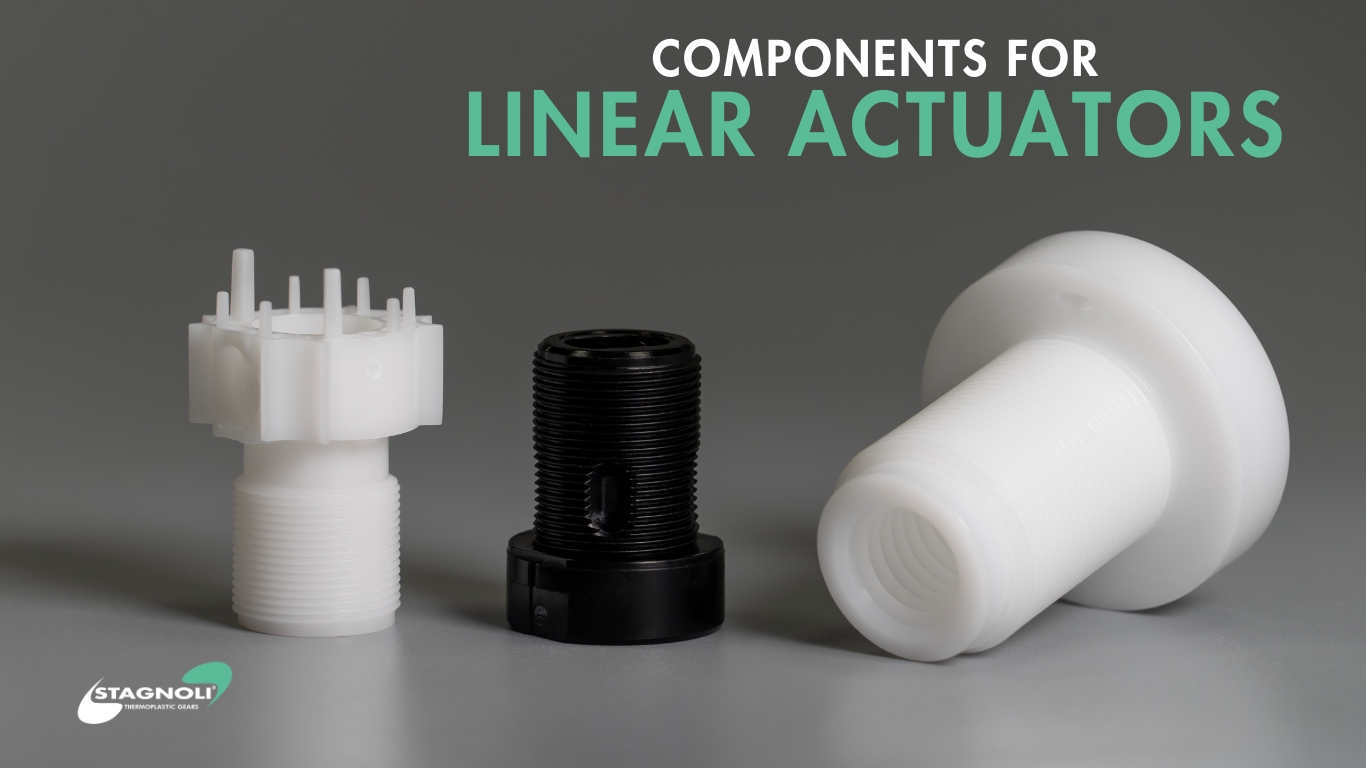
Linear actuators, mechatronic systems designed to convert rotary motion into linear motion, require kinematic couplings with tight tolerances to ensure positioning precision, mechanical efficiency, and long-lasting durability. In this delicate tribological context, the coupling between the screw shaft and the nut represents the core of the system, where managing friction and axial loads is absolutely crucial.
Thanks to a solid and historical know-how in the injection molding of ultra-high-performance technopolymers, Stagnoli Gears acts as an engineering partner for the development and production of precision components for linear motion, overcoming the physiological limits of traditional metal couplings (such as bronze or brass).
Kinematic Design and Customized Threaded Geometries
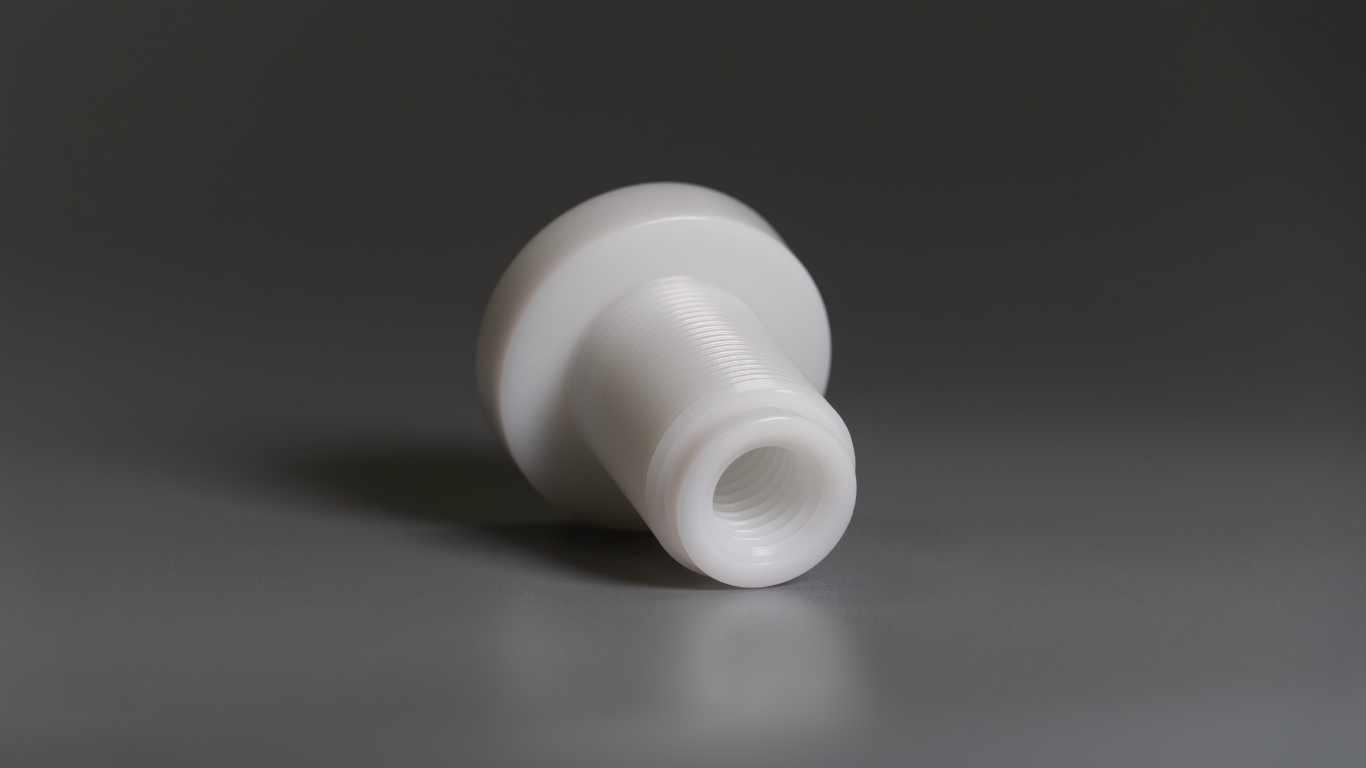
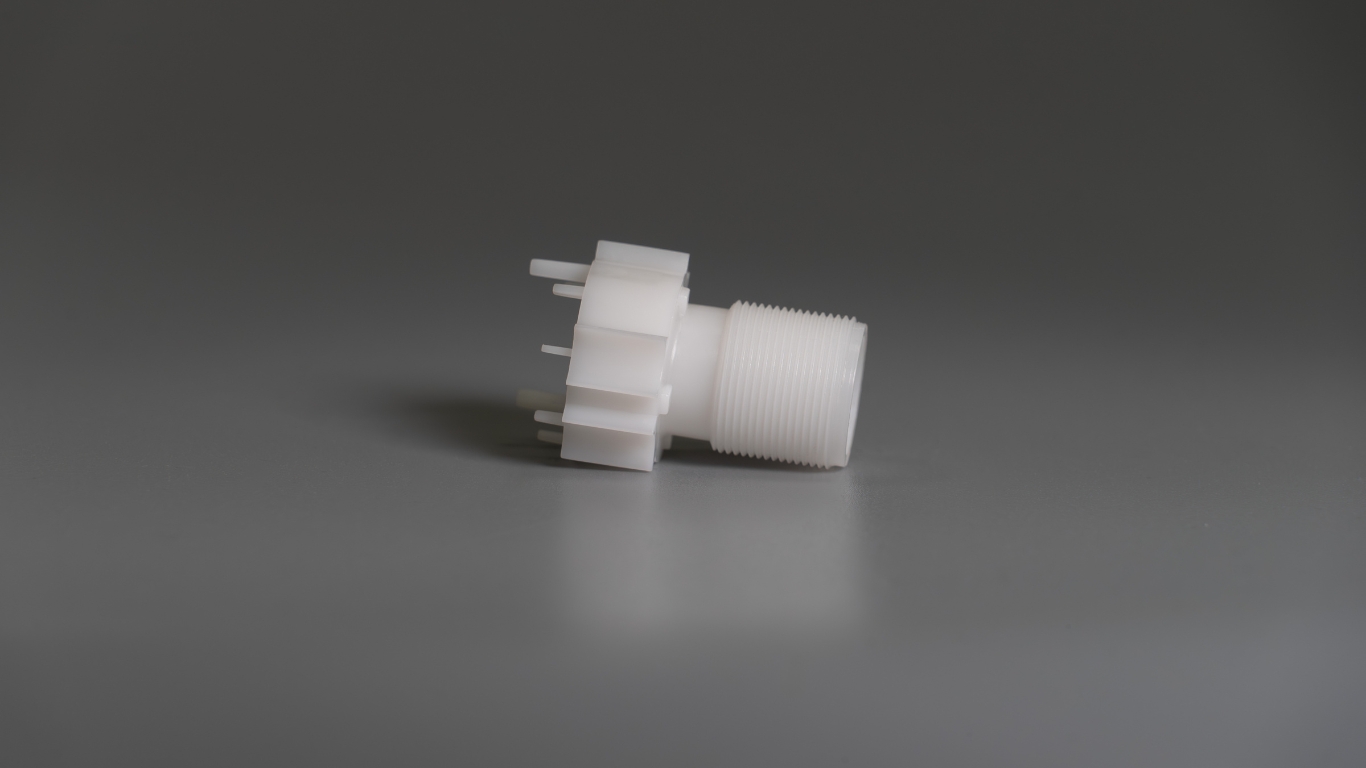
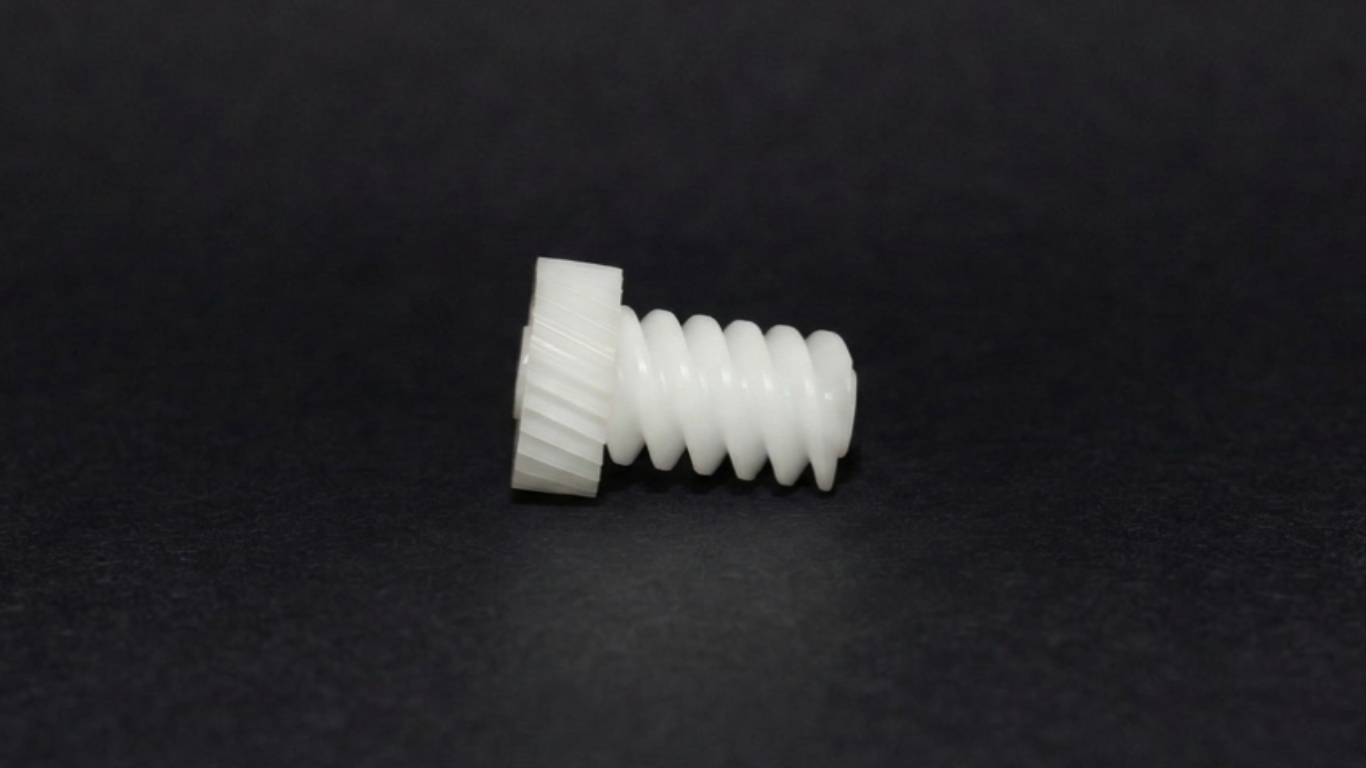
Our engineering expertise allows us to design and manufacture highly precise lead screw nut components, featuring geometries strictly optimized according to the customer's specific dynamic requirements. The Stagnoli Technical Department analyzes axial and radial loads, as well as sliding speeds, to define the ideal geometry, offering:
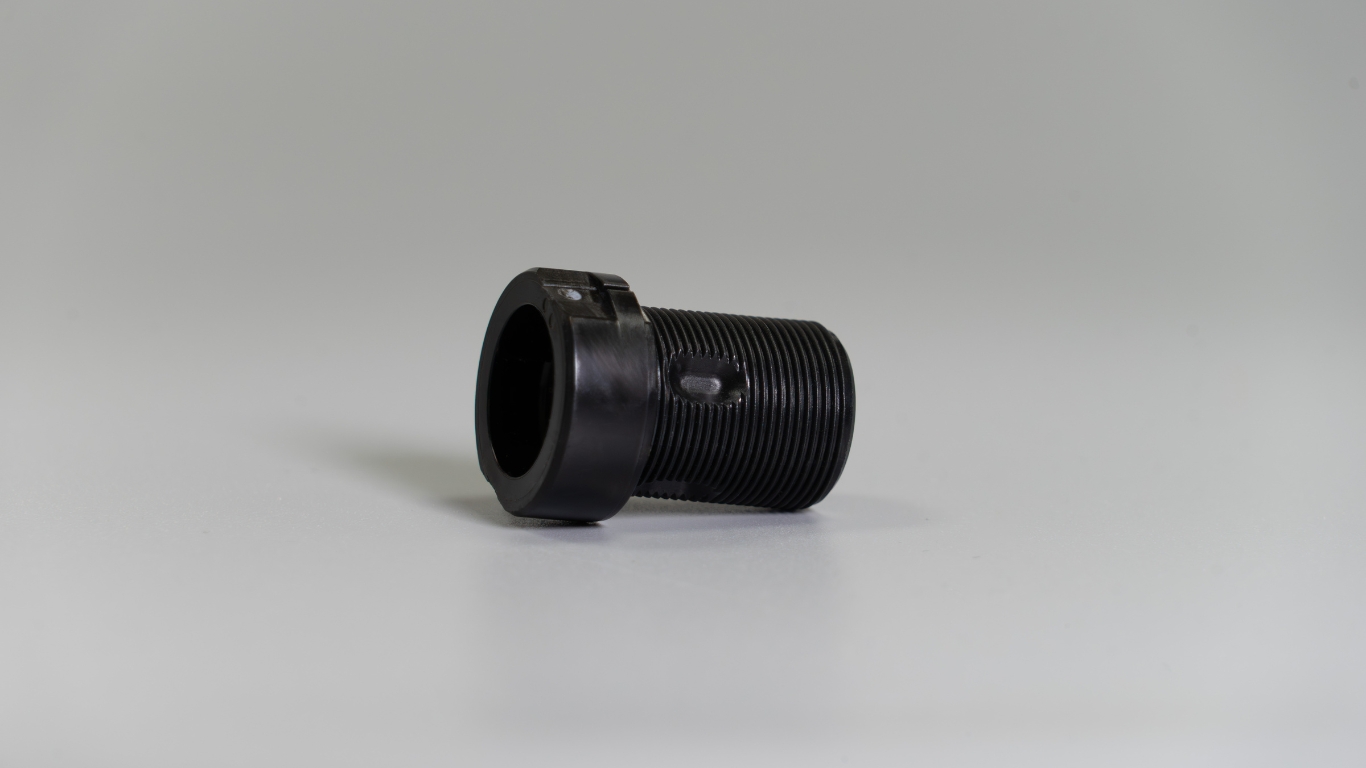
- Internal and external thread executions: Manufactured with extremely tight dimensional tolerances to minimize backlash and optimize motion reversal.
- Complex thread profiles: Ranging from classic trapezoidal shapes (ideal for transmitting high loads) to metric ones for fine positioning, up to custom or asymmetrical profiles designed to optimize the helix angle and the overall transmission efficiency of the lead screw.
- Advanced kinematic configurations: Single-start and multi-start designs to perfectly balance the positioning resolution (pitch) with the translation speed required by the application.
- Anti-backlash architectures: Solutions with integrated preload to automatically compensate for wear over time and maintain precision and long-term repeatability.
The geometric dimensioning is supported by advanced calculation software (such as KISSsoft), FEM structural analysis to verify deformation under load, and Moldflow simulations to predict and compensate for the volumetric shrinkage of the polymer during the molding process.
Tribology and Metal Replacement: The Advantages of Filled Polymers
The use of advanced technical plastics and hyper-polymers (such as POM, PEEK, PPA, or PA46) that are specifically modified consolidates the validity of metal replacement operations in linear actuators. Choosing the correct polymer matrix and the appropriate additive fillers allows you to achieve technical advantages that traditional metals simply cannot match:
- Friction coefficient reduction and zero lubrication: The use of self-lubricating compounds (filled with PTFE, silicone, molybdenum disulfide, or graphite) ensures oil-free and maintenance-free operation, effectively eliminating the annoying stick-slip effect at low speeds.
- Reduction of alternating masses: The low density of technopolymers drastically reduces the component's weight, minimizing system inertia and improving the actuator's responsiveness.
- Acoustic damping: The lower elastic modulus compared to metal gives the technopolymer an excellent ability to absorb high-frequency vibrations, ensuring extremely quiet operation—a crucial factor in sectors like the medical or automotive industries.
- Resistance to wear, creep, and chemicals: The addition of structural fillers (glass, carbon, or aramid fibers) exponentially increases fatigue strength and dimensional stability (low moisture absorption), even in chemically aggressive environments or under high thermal gradients.
- Maximum production repeatability: Injection molding, managed with ultra-high precision presses and thermostatic mold control, allows for the production of high volumes with excellent process capability indices (CPK).
From the tribological co-design and prototyping phase up to metrological validation and mass production, Stagnoli Gears supports its customers in the development of tailor-made linear actuation systems, guaranteeing the highest mechanical performance.
Are you sizing a new linear actuator or do you need to solve wear and friction issues on an existing component? Our team of engineers is at your complete disposal for a feasibility study and to identify the optimal polymer formulation and geometry for your specific application.
NEXT NEWS
12 May 2018